How to Care for your Livefood
The nutritional value of live food depends largely on how well it has been cared for before it is fed to your reptile. In the wild, insects have access to a wide variety of natural foods, meaning they are typically well nourished before being eaten. Captive live food, however, may spend time in transit or on shop shelves with limited access to food and water.
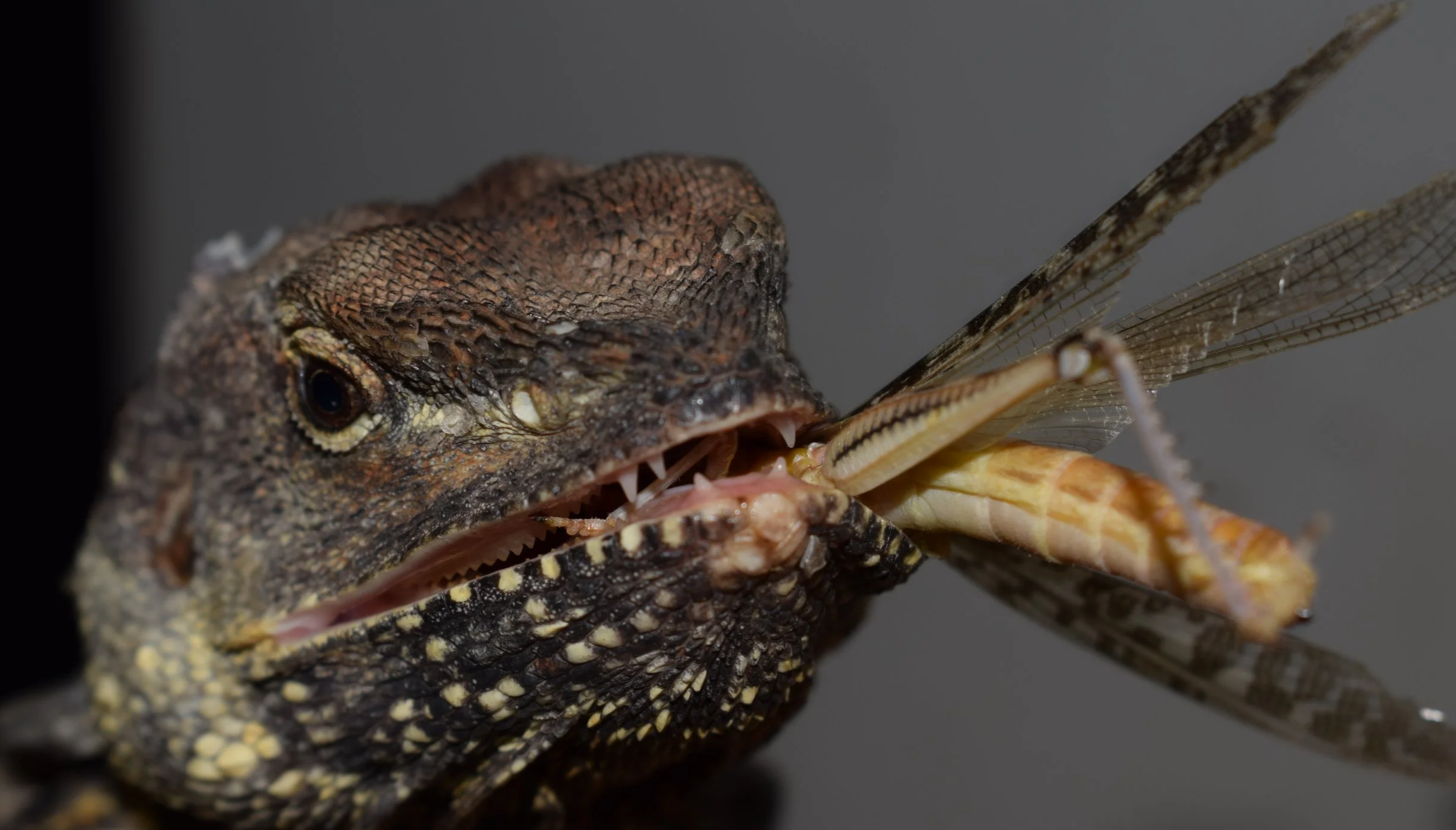
Feeding your live food before offering it to your reptile is known as gut loading. By providing insects with a nutritious diet for at least 24–48 hours before they are fed, you increase their nutritional value, ensuring your reptile receives more vitamins, minerals and moisture with every meal. Well-fed, hydrated insects are also healthier and will generally survive for longer.
This guide provides practical advice on caring for the most commonly available live foods, helping you maximise their lifespan and nutritional value before they become part of your reptile's diet.
Gut Loading
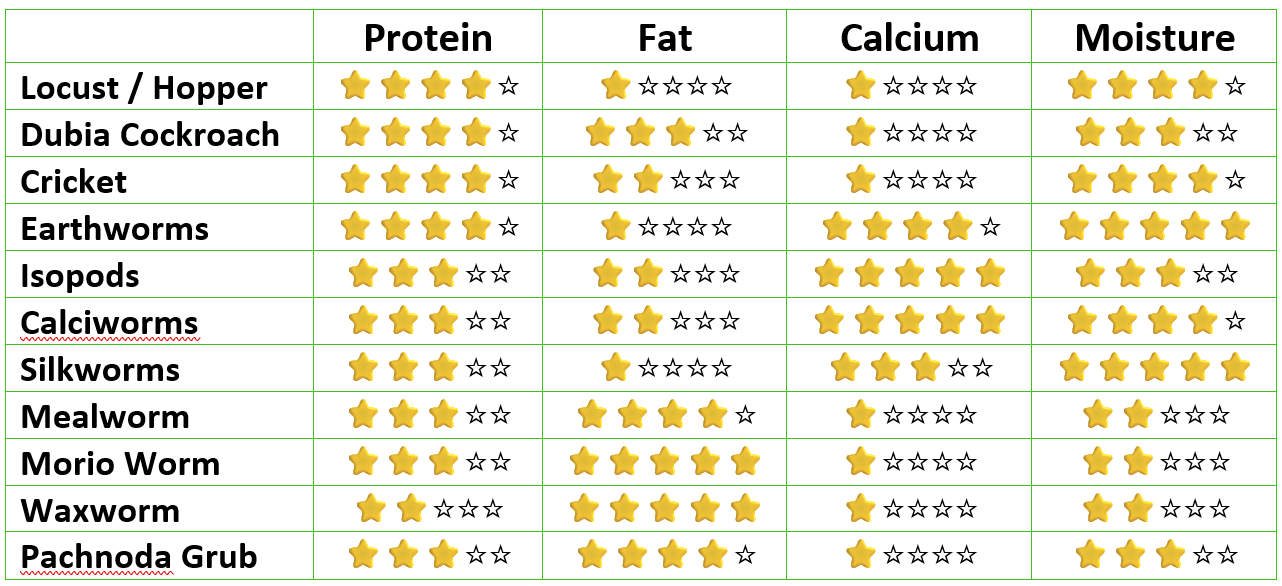
Gut loading is one of the simplest and most effective ways to improve the nutritional value of live food. By feeding and hydrating insects for 24–48 hours before offering them to your reptile, you increase the amount of beneficial nutrients they contain, providing a healthier and more balanced meal.
Most live food is supplied in breathable bags or small ventilated tubs for transport. These containers are intended for short-term use only and are not suitable for keeping insects alive for extended periods. Once home, transfer your live food into a larger, well-ventilated container to provide adequate space, improve airflow and reduce stress.
Suitable livefood-keeping containers are available in store. Please ask a member of our team if you're unsure which size or type is best for the livefood you are keeping.
Overcrowding can lead to increased competition for food and water, injury, cannibalism and a reduced lifespan. Providing plenty of usable surface area using cardboard egg trays, toilet roll tubes or similar furnishings allows insects to spread out and helps keep them healthier for longer.
Different live foods have different housing requirements, but many species benefit from a dry, absorbent substrate where appropriate and constant access to fresh food and a safe source of moisture. Healthy, well-fed and well-hydrated insects will survive longer and provide greater nutritional value for your reptile.
Commercial livefood diets, gels and jellies are available to help provide food and moisture for feeder insects. These can be useful alongside a varied fresh diet, particularly as an additional source of hydration.
Where possible, offer a variety of suitable fresh foods alongside a good-quality formulated livefood diet. This helps keep your livefood healthy while ensuring the insects themselves contain useful nutrients when they are fed to your reptile.
Remember, the nutritional value of your livefood is influenced by what you feed it, so keeping your insects well-fed is an important part of providing a balanced diet for your reptile.
I particularly like that last sentence for the livefood sheet because it reinforces the whole reason for gut loading, rather than making gels and diets sound like they're simply there to keep the insects alive.
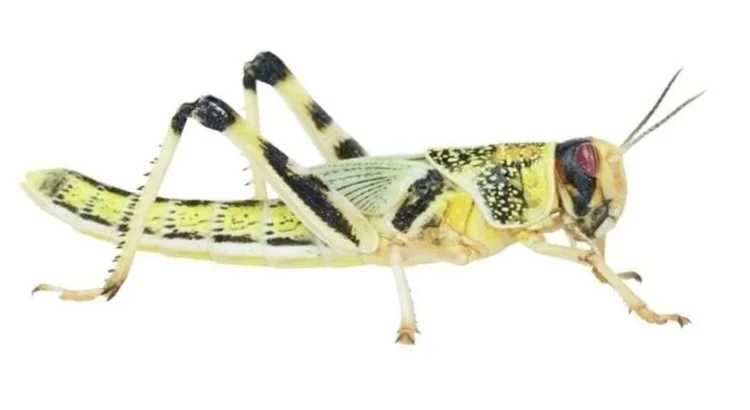
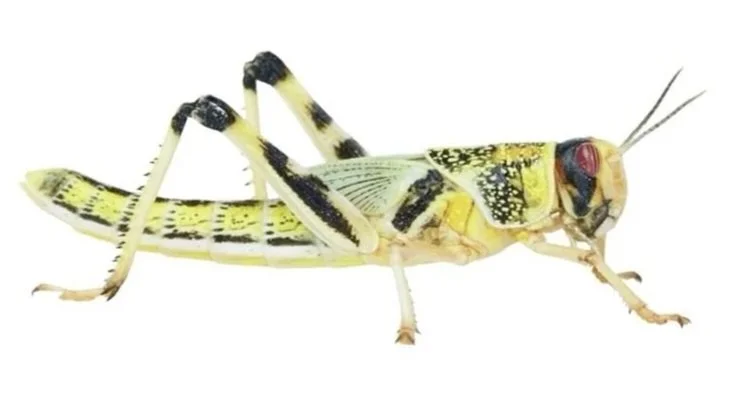
Locusts / Hoppers
Locusts are often referred to as hoppers while they are young. As they grow, they pass through several moults before reaching adulthood, when they develop fully formed wings.
Locusts originate from warm environments and thrive when kept at approximately 25–35°C. At cooler temperatures they become less active, feed less and develop more slowly. If additional heating is required, use a safe, controlled heat source and monitor the temperature with a thermometer rather than placing the container directly onto a hot surface or heat source.
Good ventilation is particularly important when keeping locusts. Damp, poorly ventilated conditions encourage mould, fungal growth and mites and can quickly result in losses. Keep their enclosure clean, dry and well ventilated, removing uneaten fresh food before it begins to spoil.
Locusts obtain much of their moisture from the fresh vegetation and gut-loading foods they consume. Commercial hydration gels may also be provided if required. Open water dishes should not be used, as they can increase humidity and present a drowning risk.
Provide plenty of vertical surfaces, such as egg crate, for the locusts to climb and moult from. Avoid overcrowding and provide fresh gut-loading food regularly to ensure the locusts remain healthy and nutritious for your reptile.
Locusts do not usually bite when handled, but when frightened or stressed they may regurgitate a small amount of brown or dark-coloured fluid from their mouth as a defence mechanism. This can stain hands or clothing but is not normally harmful; simply wash your hands after handling.
Locusts also have powerful hind legs covered with small spines. If restrained or frightened, they may kick defensively, and larger locusts can feel surprisingly sharp. Handle them gently and avoid gripping or pulling on their legs, as they can be damaged or detached.
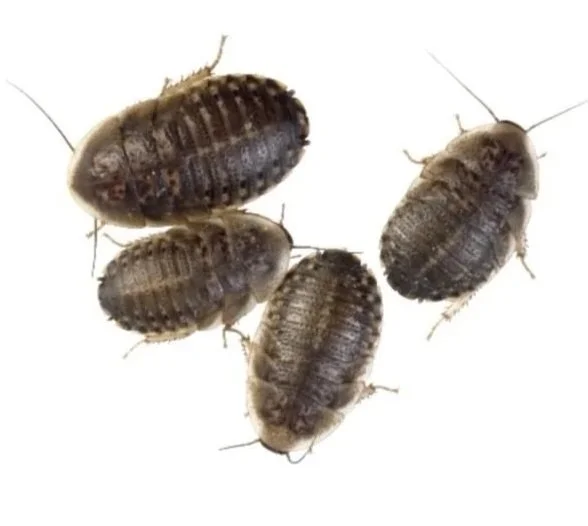
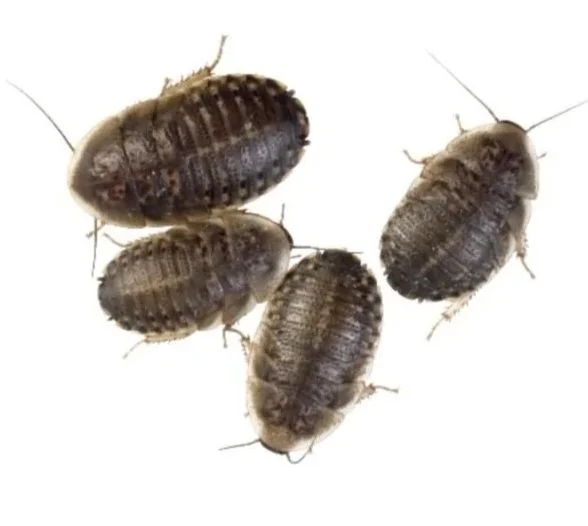
Dubia Roach
Dubia Roaches are a popular feeder insect for many reptiles, amphibians and invertebrates. They are nutritious, relatively easy to keep and, when properly gut-loaded, make an excellent addition to a varied livefood diet.
Unlike some household cockroach species, Dubia Roaches require relatively warm conditions to thrive and are unlikely to establish a breeding population in a typical UK home if they escape. They cannot climb smooth glass or plastic surfaces, making them particularly easy to contain.
Dubia Roaches should be kept warm, ideally at approximately 26–32°C, although they can be maintained at somewhat cooler temperatures if breeding is not required. Cooler temperatures will reduce their activity, feeding and growth.
Provide plenty of hiding space using egg crate or cardboard tubes. Keeping them in a dark, well-ventilated container with plenty of surface area helps reduce stress and allows large numbers to be maintained without overcrowding.
Adult males have fully developed wings but cannot sustain normal flight, while females have very reduced wings.
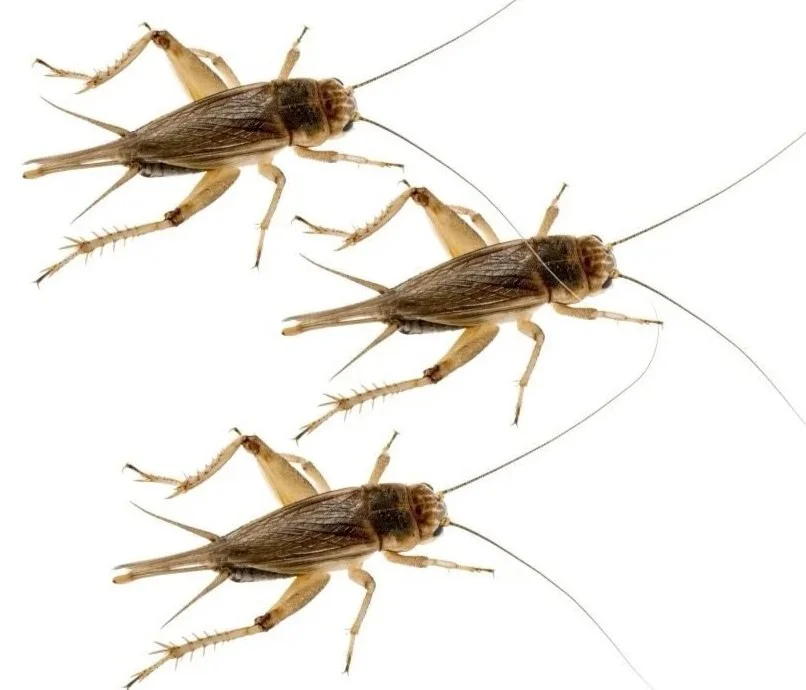
Crickets
Crickets naturally seek out dark, sheltered spaces and should be provided with plenty of hiding and climbing areas. Egg crate and cardboard tubes work particularly well as they increase the usable surface area within the enclosure and help reduce overcrowding and stress.
Crickets should be kept warm, dry and well ventilated, generally at approximately 24–30°C. Cooler temperatures will slow their activity and feeding, while excessive heat can quickly cause dehydration and death.
Crickets are omnivorous and should be provided with a varied, nutritious diet. Suitable fresh vegetables and leafy foods can be offered alongside a good-quality commercial livefood or gut-loading diet. Providing adequate food, moisture, space and hiding places also helps reduce cannibalism.
Fresh foods provide some of the moisture crickets require, and commercial hydration gels can also be offered if required. Avoid open water dishes, as crickets can easily drown. Remove uneaten fresh food before it begins to spoil, as excessive moisture and mould can quickly cause problems within a cricket colony.
Never leave uneaten crickets loose in your reptile's enclosure. Crickets may bite or disturb reptiles, particularly when the animal is resting, shedding or unwell. Remove any uneaten insects after feeding.
Are Your Crickets Dying?
Crickets can be sensitive to poor environmental conditions, and large numbers dying can indicate that something within their enclosure needs adjusting.
Dark, damp or bad-smelling crickets/enclosure:
Check for excessive moisture, spoiled food and insufficient ventilation. Remove dead insects and uneaten fresh food promptly and increase airflow if necessary.
Dry, brittle crickets or crickets frequently found on their backs:
Check the temperature and availability of moisture. Excessive heat and dehydration can quickly cause losses.
Crickets and other invertebrates are also extremely sensitive to many household chemicals. Avoid using insecticides, flea sprays, cleaning aerosols, air fresheners, perfumes and other airborne chemicals near livefood containers.
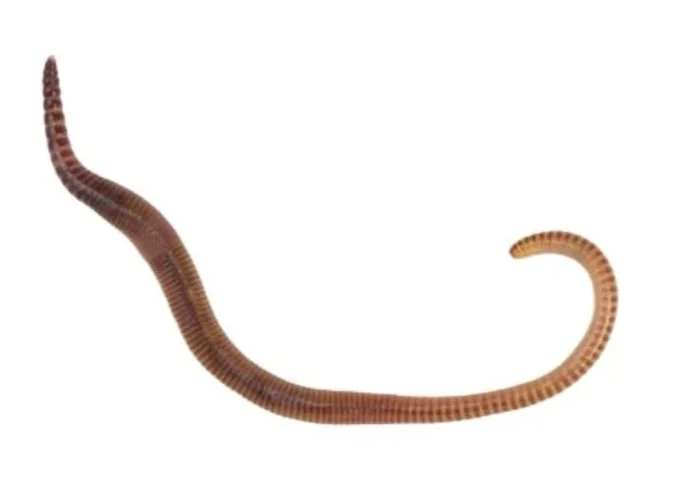
Earthworms
Earthworms are a nutritious, soft-bodied livefood suitable for many amphibians, reptiles, fish and invertebrates. They have a high moisture content and can form a useful part of a varied diet for suitable species.
Earthworms need to remain cool and moist. Keep them in a ventilated container containing a suitable damp substrate or the bedding supplied with them. The substrate should feel moist but should never become waterlogged, as poorly aerated, saturated conditions can cause the worms to die.
Most commonly supplied earthworms are best kept cool, generally around 10–18°C, although the ideal temperature will depend on the species. Avoid allowing the container to become hot or dry and always follow the supplier's storage instructions where provided.
Earthworms feed on decomposing organic material. Small amounts of suitable vegetable matter can be added if they are being kept for an extended period, although worms supplied commercially are often already contained within a suitable food/bedding medium. Avoid overfeeding, as uneaten food can quickly spoil and encourage mould or mites.
Keep the container covered but well ventilated, as earthworms can escape through surprisingly small gaps. Check the substrate regularly and add a small amount of water if it begins to dry, taking care not to flood it.
Earthworms collected from gardens or other outdoor areas should not be used as livefood unless you are certain the area is free from pesticides, herbicides, fertilisers and other contaminants. Commercially produced feeder earthworms are the safer option.
Earthworms can be offered whole or, where appropriate, cut into smaller pieces for animals unable to manage a full-sized worm.
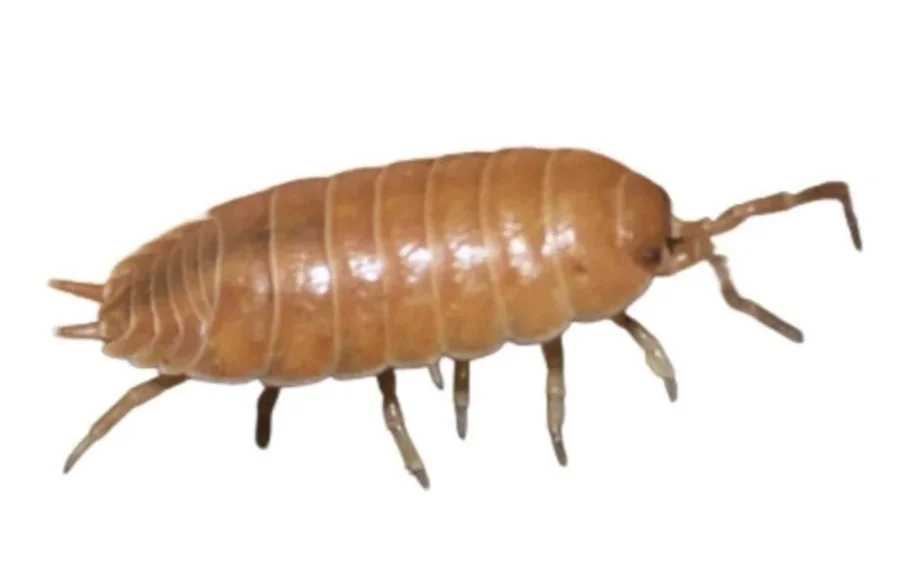
Isopods
Isopods are small terrestrial crustaceans commonly kept as livefood, pets and as part of the clean-up crew in bioactive enclosures. There are many different species available, ranging from tiny tropical varieties to much larger species, and their exact care requirements can vary.
Unlike insects, isopods breathe using specialised structures that require moisture to function effectively. Their enclosure should therefore never be allowed to dry out completely. However, keeping the entire enclosure permanently wet can also cause problems. Providing a moisture gradient allows the isopods to move between damp and drier areas as required.
A deep layer of suitable substrate should be provided alongside plenty of decaying leaf litter and rotting wood, which form an important part of their natural diet and should always be available. Cork bark provides useful shelter and creates additional humid microhabitats.
Isopods are detritivores and will consume a wide variety of decaying plant material. Their diet can be supplemented with fresh vegetables and suitable commercial isopod foods. A source of calcium should also be available, particularly for growing and breeding colonies.
Protein-rich foods can be offered occasionally to some species, but any uneaten fresh or protein-based foods should be removed before they spoil or encourage mites and mould.
Most commonly kept tropical livefood isopods thrive at approximately 20–26°C, although requirements vary considerably between species. Always check the requirements of the particular species being kept.
When using isopods as livefood, maintaining a healthy, well-fed colony improves their nutritional value and allows you to produce a sustainable supply rather than continually replacing them.
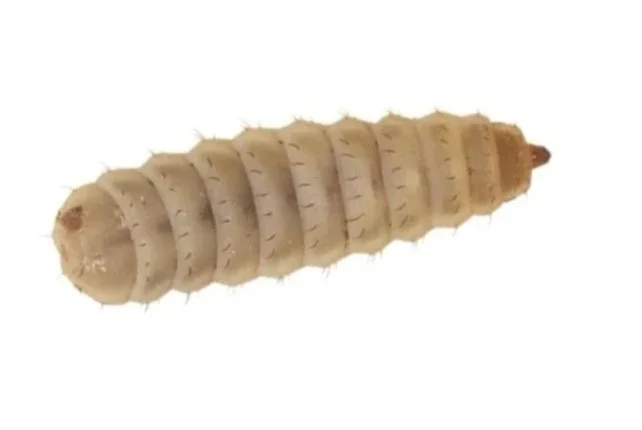
Calciworms
Calciworms are the larvae of the Black Soldier Fly and are a popular livefood for reptiles, amphibians and other insect-eating animals. They are naturally rich in calcium and have a favourable calcium-to-phosphorus ratio compared with many commonly available feeder insects, making them a useful addition to a varied livefood diet.
Calciworms are usually supplied in a tub containing a substrate or bedding material and can generally be kept in this container until required. Keep them in a cool, dry place and avoid excessive moisture or condensation.
Unlike many other feeder insects, Calciworms do not generally need to be gut-loaded by the keeper before feeding. They have already accumulated nutrients during their larval development and are typically supplied ready to use. Their naturally high calcium content also means they do not usually require additional calcium dusting, although supplementation should always be considered as part of the animal's overall diet and husbandry plan.
Calciworms naturally become darker as they mature and prepare to pupate. This colour change is completely normal and does not mean that they have died or gone bad. If allowed to continue developing, they will eventually pupate and emerge as adult Black Soldier Flies.
Adult Black Soldier Flies can also be offered to suitable insect-eating animals and provide excellent enrichment by encouraging natural hunting behaviour.
Calciworms should not be used as the sole livefood, despite their useful nutritional profile. Offering a variety of appropriately sized feeder insects provides greater dietary variety and encourages different natural feeding behaviours.
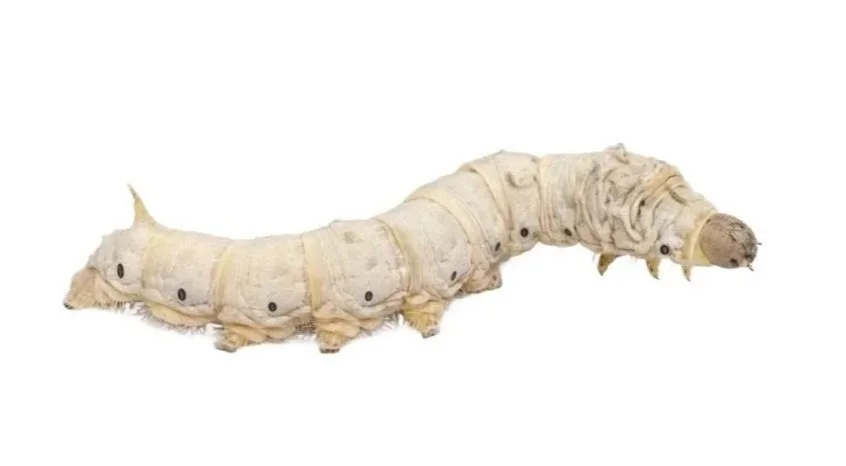
Silkworms
Silkworms are the caterpillars of the domesticated Silk Moth and are an excellent livefood for many reptiles, amphibians and other insect-eating animals. They have a soft body, relatively high moisture content and are generally lower in fat than many other commonly available worms, making them a useful addition to a varied livefood diet.
Unlike many feeder insects, Silkworms have a specialised diet. They naturally feed on mulberry leaves and should be provided with fresh, pesticide-free mulberry leaves or a commercially prepared mulberry-based silkworm diet (often called silkworm chow). Other fruits and vegetables should not be used as substitutes.
Silkworms should be kept in a clean, dry and well-ventilated container at approximately 20–28°C. Warmer temperatures encourage faster growth, while cooler temperatures slow their development. Avoid excessive humidity and condensation, as damp conditions encourage bacterial and fungal growth.
Good hygiene is particularly important when keeping Silkworms. Remove droppings, old food and dead worms regularly and always wash your hands before handling their food. Silkworms grow extremely quickly when kept warm and well fed, so ensure the worms remain an appropriate size for the animal they are intended to feed.
Once fully grown, Silkworms will stop feeding and begin producing silk to form a cocoon. Inside the cocoon they pupate before eventually emerging as adult Silk Moths. The adult moths do not feed and live primarily to reproduce.
Silkworms should not be refrigerated, as prolonged exposure to low temperatures can cause them to become unwell or die.
Mealworms and Morioworms
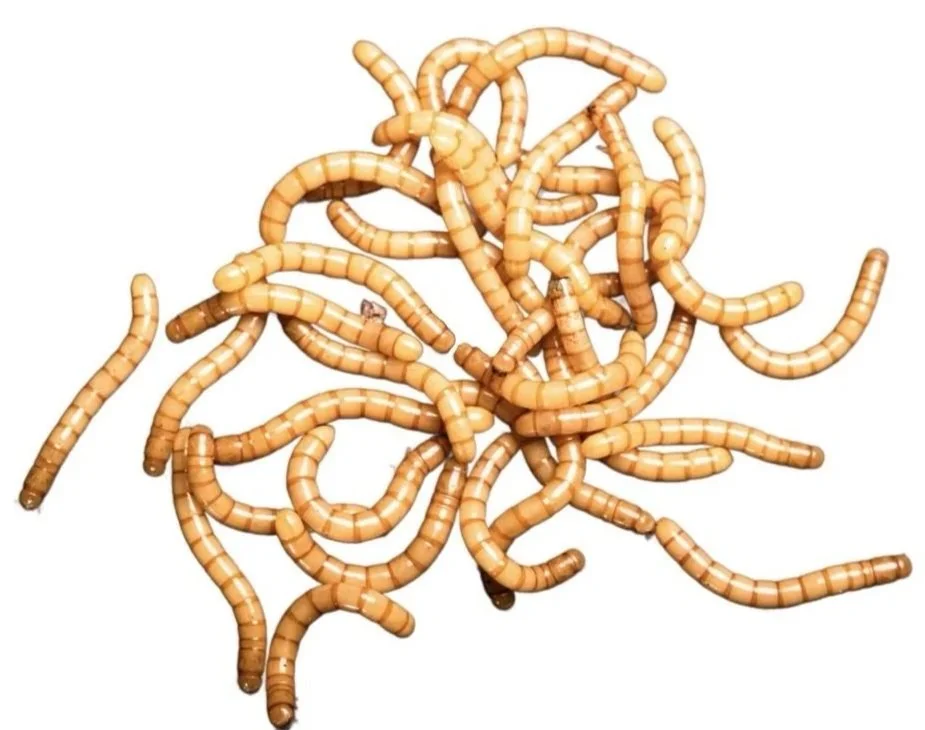
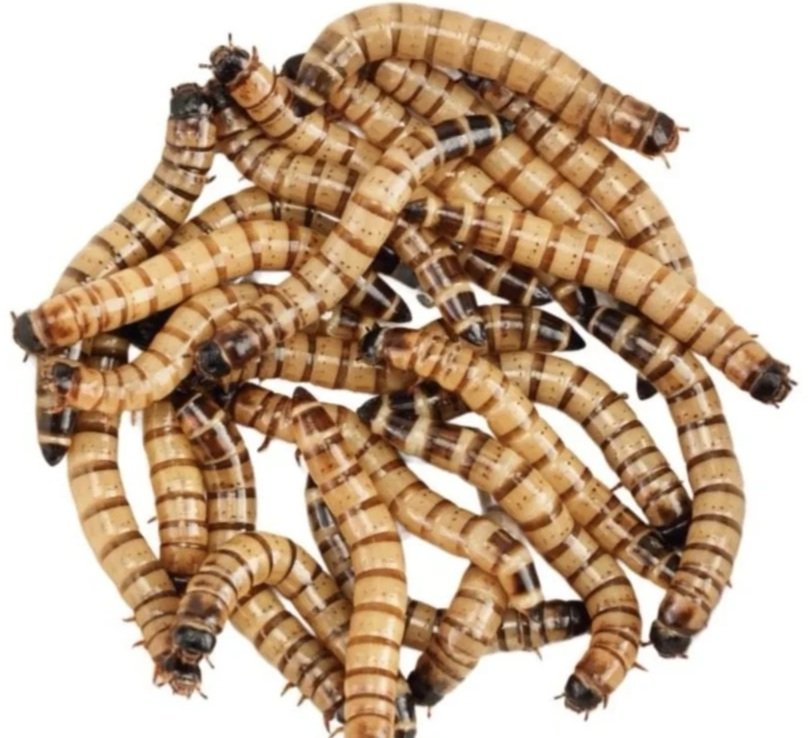
Mealworms are commonly available in different sizes and are usually supplied in a bedding material that also acts as a food source. They can be provided with additional suitable gut-loading foods before being offered to your reptile.
Mealworms can be kept at room temperature, where they will continue to grow and eventually pupate into darkling beetles. To slow their development and extend their storage life, they can be kept refrigerated at approximately 7–10°C. If refrigerated, allow the worms to warm up and become active before gut-loading and feeding them to your animal.
Morio Worms, sometimes called Superworms, should be kept at approximately 21–27°C and must not be refrigerated, as prolonged exposure to low temperatures can kill them.
Keep them in a well-ventilated container with suitable bedding and provide fresh gut-loading foods regularly. Given appropriate conditions, Morio Worms can remain in the larval stage for a considerable period.
Both Mealworms and Morio Worms will eventually develop into beetles. The beetles may also be suitable as food for some insect-eating reptiles and other animals, although not every animal will readily accept them.
Waxworms
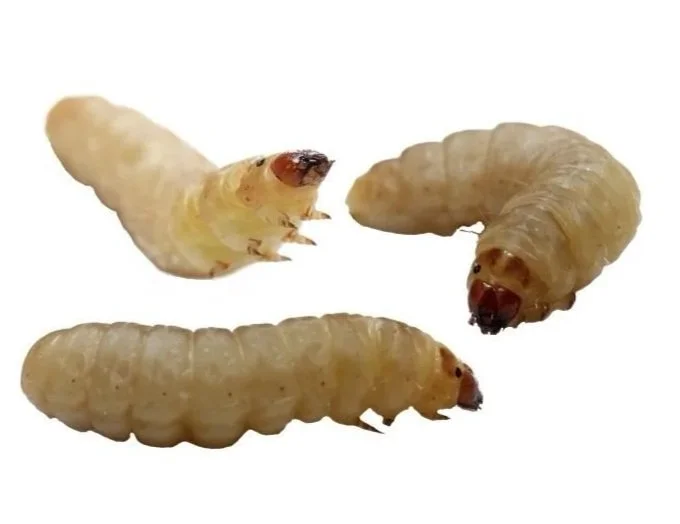
Waxworms are the larvae of the Greater Wax Moth and are commonly offered as a treat food for reptiles, amphibians and some invertebrates. They are naturally high in fat and should therefore be offered occasionally rather than as a staple livefood.
Waxworms are normally supplied in a small tub containing their food medium and can usually be kept in this container. They do not normally require additional feeding during the relatively short period they are kept before being used. Keep the tub dry and well ventilated, as excessive moisture can encourage mould and spoilage.
Waxworms should be stored relatively cool, ideally at approximately 13–18°C, which slows their development and helps delay pupation. Avoid keeping them in a standard household refrigerator unless specifically advised by the supplier, as temperatures may be too low.
As the larvae mature, they will eventually pupate before emerging as wax moths. This is a completely natural part of their lifecycle.
Because waxworms are particularly palatable and high in fat, some reptiles can develop a strong preference for them and may begin refusing other feeder insects. For this reason, they are best reserved as an occasional treat or used when additional calories are specifically required.
Pachnoda Grubs
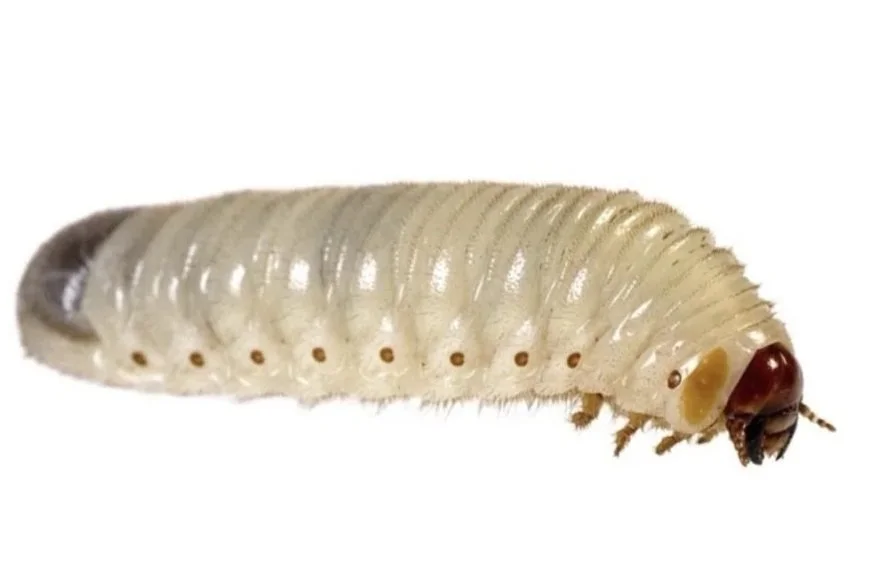
Pachnoda grubs are the larvae of Pachnoda fruit beetles and are a large, soft-bodied livefood suitable for many reptiles and other insect-eating animals. Their size makes them particularly suitable for larger lizards and other animals capable of handling larger prey.
Pachnoda grubs are relatively high in fat, so they are best offered as part of a varied diet rather than being used as the main staple livefood. Their soft bodies make them highly palatable, and many reptiles readily accept them.
The grubs are normally supplied in a container containing a soil-based substrate. Keep them within this substrate, as they naturally spend most of their larval stage underground. The substrate should be kept slightly moist but never wet or waterlogged and the container should have adequate ventilation.
Keep Pachnoda grubs at approximately 20–25°C. They should not be refrigerated, as prolonged exposure to low temperatures can be harmful.
Pachnoda grubs naturally feed on decaying organic matter. If they are being kept for an extended period, suitable foods can be offered to help maintain them. As they mature, the grubs will eventually construct a pupal chamber within the substrate before emerging as adult fruit beetles.
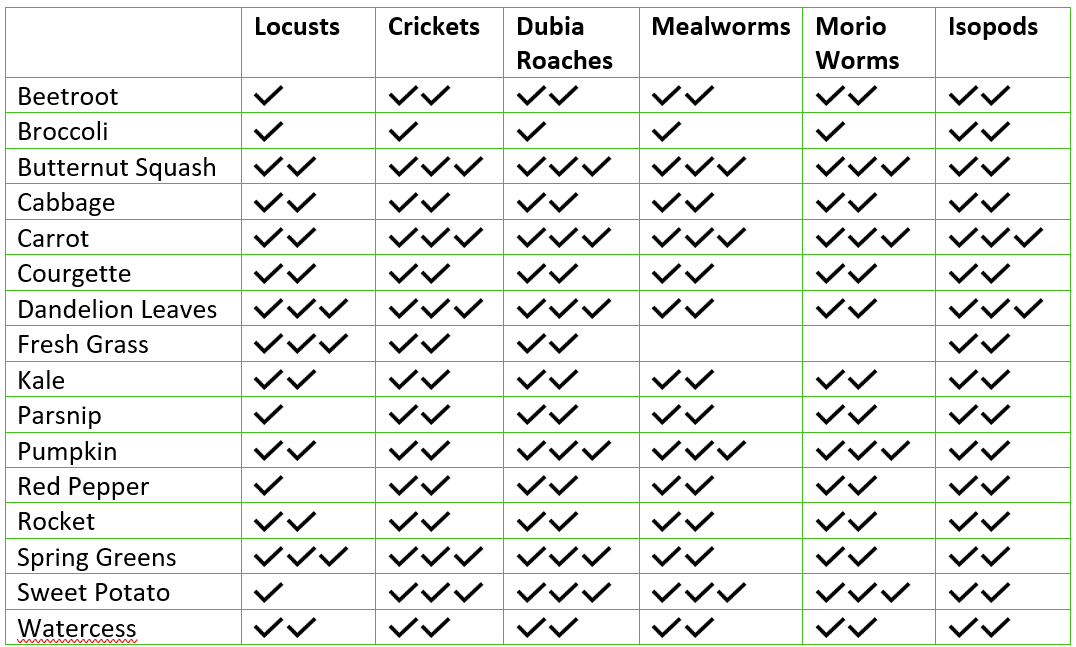
What food do they eat?
Wild-collected grasses, weeds and leaves should only be used if they have been correctly identified and you are confident they have not been exposed to pesticides, herbicides, fertilisers or other contaminants.